
Transportation and location can influence what families are able to buy
Editor’s Note: This is the third in a three-part series examining SNAP changes and food access in communities across South Texas.
By Kingsville Independent News Staff
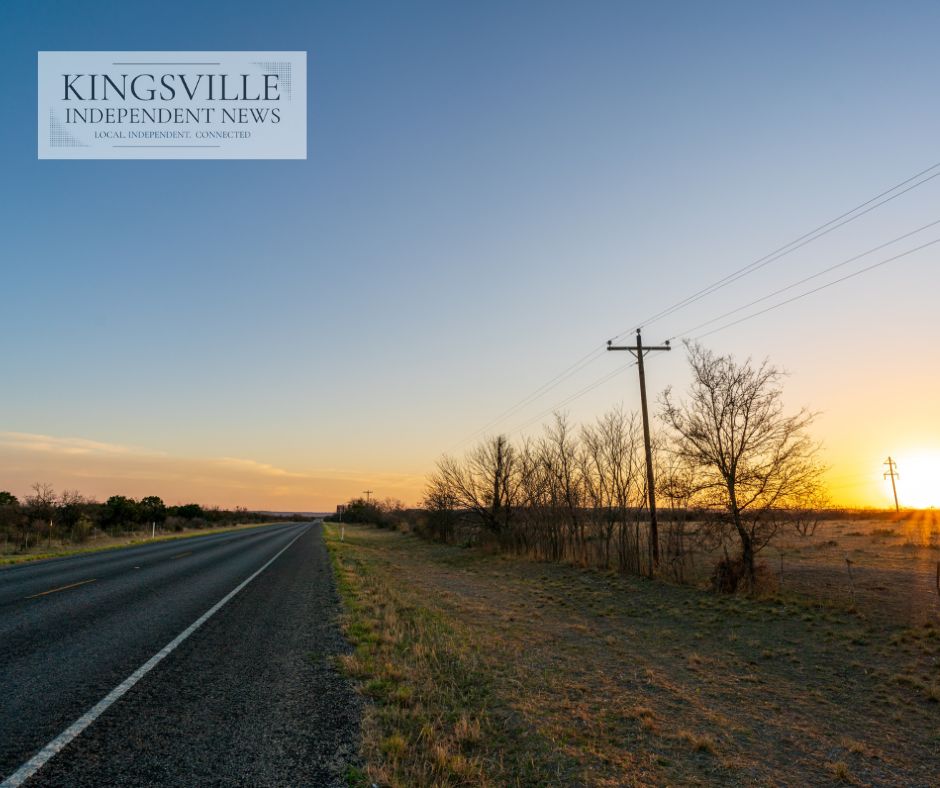
In rural parts of South Texas, grocery shopping can involve more than a short drive across town.
As SNAP policy changes take effect and discussions continue around nutrition and food choices, another factor remains just as important for many households: access to grocery stores.
For residents in smaller communities such as Riviera, Ricardo and Premont, reaching a full-service grocery store may require traveling to nearby cities including Kingsville, Alice or Corpus Christi.
Those distances can influence where and how families buy food.
Limited options in smaller communities
Researchers often refer to areas with limited grocery access as “food deserts,” a term used by the U.S. Department of Agriculture to describe places where residents live far from stores that sell fresh and affordable groceries.
In rural regions, that distance is typically defined as more than 10 miles from the nearest supermarket or large grocery store.
Many smaller towns across the Coastal Bend have convenience stores, dollar stores or small neighborhood markets that sell basic grocery items.
Those stores often carry packaged foods, canned goods and frozen meals, but may offer limited selections of fresh produce, meat or dairy products.
For households without reliable transportation, those nearby retailers can become the primary place to buy groceries.
Access and nutrition
That reality has been part of the broader national discussion surrounding SNAP policy and nutrition.
Supporters of new SNAP purchase restrictions say limiting items such as sugary drinks could encourage healthier food choices.
Others argue that improving access to affordable fresh food may have an even greater impact on nutrition.
Researchers who study food access say geography, transportation and store availability can all shape grocery purchasing decisions.
In rural counties such as Kleberg, those factors can play a significant role in how families shop.
More than purchasing rules
While SNAP determines what benefits can be used to buy, it does not address where food is available.
For many households in South Texas, the distance to a grocery store, access to transportation, and the types of food available nearby can all influence purchasing decisions.
Those factors can shape diets just as much as program rules.
Food access, transportation, and grocery availability continue to be part of the broader conversation around nutrition and public health in rural communities across the Coastal Bend.